
☆FOR & BY PEOPLE OF COLOUR☆

I’m here today to announce that we are making our very first physical magazine in collaboration with Wessex Scene for Black History Month. The issue will be titled Black Power because that’s what Black people are. Powerful. The magazine will be completely and utterly BLACK. We are looking for Black women/ non binary people to submit art/ creative writing/ photography/ political essays/ opinion pieces/ lifestyle etc. We are primarily looking for contributions from black people born/living in Europe as BHM is celebrated in two different months in North America and in Europe.

This fear of Westernization is prevalent amongst South Asian immigrants; even now, I can remember how after coming home from school, my ‘Britishness’ was often left at the front door. The conflict of inheriting the collectivist culture of India versus growing up in the individualist culture of England often led to confusion and sadness as I grew up and became more aware of my place in society.
My mum and dad loved each other wholly; they just didn’t show it in front of their children. It’s deep-rooted in their Indian upbringing to keep those things private; I do not blame them at all. We were never open about our emotions and from talking to my Indian friends it seems to be the same story in their households. The idea that such a natural activity like sex is taboo in so many households is baffling to me and to this day I am trying to open my dad’s mind to the fact that love is something good.

I grew out of that. I was shouting about abortion rights on the internet; I was hungry for change, desperate to be useful in this fight, desperate for abortion to exist without stigma. So why was I scared of claiming ownership over my own experience? I had to face it. I had to say it out loud. I said it quietly at first, never letting it linger in a conversation, kept working at it until I had more confidence. I can say it loud now! I had an abortion! I’m comfortable with it.

I hate that the labelling of the white male patriarch as “chauvinist pig” provided a convenient scapegoat for their sexism. I hate how they cannot admit that the work of decolonization requires that they must also let go of their own patriarchal way of thinking and loving. I hate how they can scream “down with white supremacy!” but cannot be pro-woman in their everyday interactions.


The piece I wrote is very short, it's in the form of a diary entry commenting on the lack of freedom of speech in my country, Bahrain and how although I'd like to work in politics after I graduate next semester, I don't think I can.
The flowers you gave me withered away — along with your claims of love for me. I widened my eyes to you, asking you to look at me: not just the illustration of my body. Instead, you imagined me away. Putting a shadow over me that darkened the brightness of me.

Sometimes I lie in bed and fantasize about Death. I know Death must be a woman, her loving caress is much too gentle and controlled to be the heavy hand of a man. If I close my eyes and lay still enough, I can see Death. I wonder when she will come for me, and why it has not been sooner. Like all beautiful things, Death is cruel. Death plays with patience and toys with sorrow. Once I stole my mother's garden shears, and I considered forcing Death's hand. I should have known Death would not be a compassionate lover, but rather a heartbreaker.

people who love me as long as i’m a good lesbian
people who love me as long as i don’t point out
that it’s a privilege to hold hands in public

I will never be her, but I am like you: kissed by the sun, darker than night, built with strength and joy.

This poem is about growing out of an abusive relationship. Moving in stanzas from grief and reliance on the abusive partner, self-blame and questions, but eventually develops into growth, acceptance, and understanding.

My mother didn’t respond. She simply walked back inside and dead-bolted the door behind her. She stood behind the locked door and looked into my eyes. I could not tell you what she was hoping she would find. I myself searched every inch of her body for some sort of compassion or motherly love, something to give me a reason to still love her. She walked away before I could find what I wanted.

I wrote this poem after having a good cry about missing my friends and my pre-quarantined life. It has been extra hard on my mental health, but writing out my woes always gives me some solace and comfort.
“I often regret the anger I harbored for my mother. Yet, I still cannot let it go. I have eaten anger for dinner for so many nights, it is all that's left in my stomach. I have washed my hair with anger for so long, it is now permanently woven into the braids of my hair. I have taken my tea with anger for years now, I am no longer pleased with just sugar. I am not sure how I would live without anger. How could I forgive my mother and give away my anger when I know there will be nothing left of me after?”
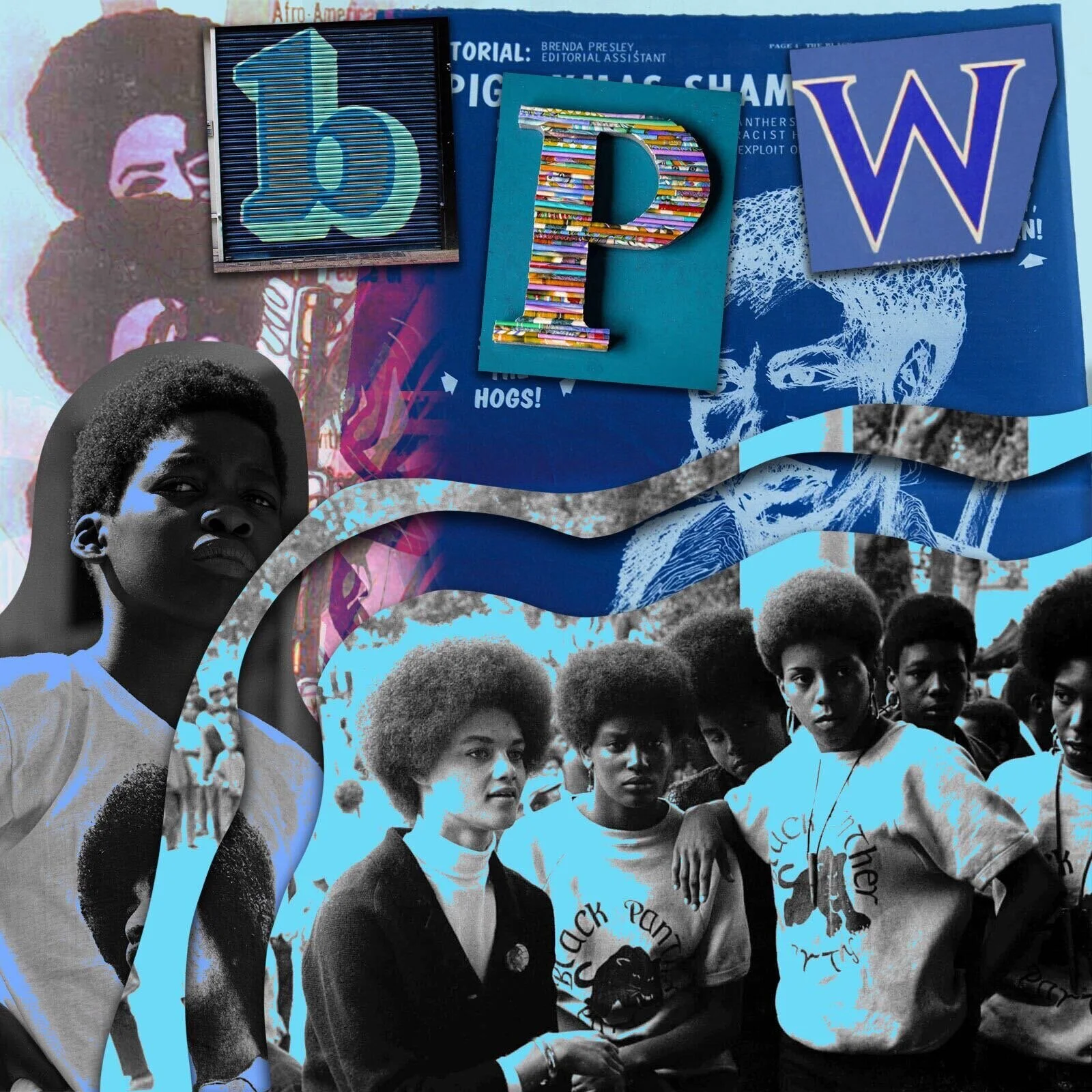
When I was taught about the Black Panther Party for Self-Defence (BPP) in school, it was tagged along at the end of the Civil Rights Movement and labelled as a dangerous organisation; the ones who ruined civil rights for black Americans. Indeed, the Black Panthers were and still are criticised for their militant strategies, their male dominance and as a result their male chauvinism that led to the party’s failures. Yet, in my second year of university, I was required to do a presentation on the Black Panther Party, where I uncovered evidence that subverted these views, showing that actually, the Panthers were highly successful in many ways and that the women of the party were largely responsible for this success.

When I was a kid, my dad was sent to prison. And after he served his sentence, he was deported to Mexico where he is to this day. His prison sentence was something that we acknowledged throughout the years but have never talked about in-depth. Until now.

We are living in an increasingly politically polarising environment. The voice of our generation is getting louder than ever, especially with the issue of climate change, the current pandemic and uprising of the #BlackLivesMatter movement. As the voice of the future, it is imperative that we seek our own truth and learn to decipher the misinformation prevalent online.
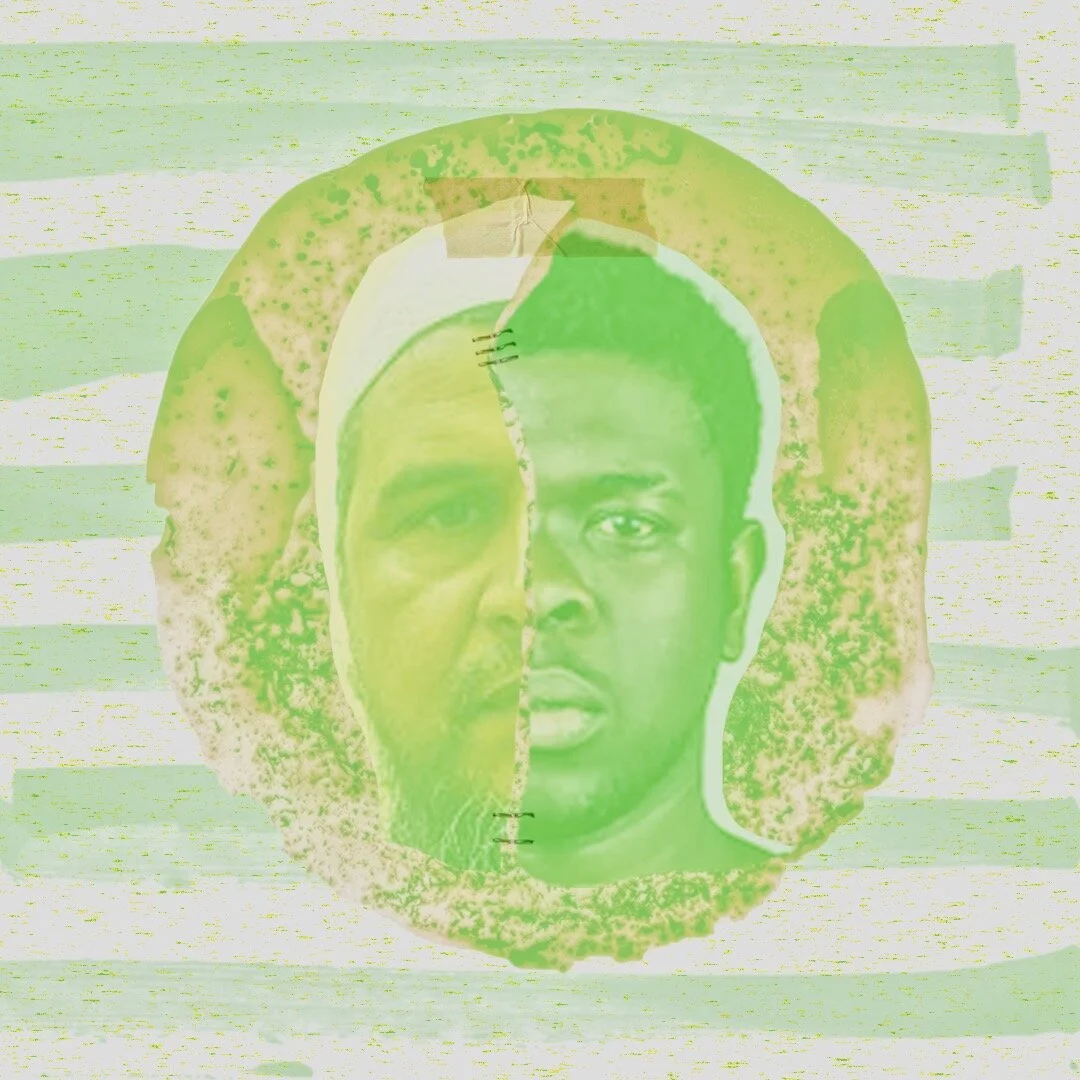
In order to act on this solidarity, it is vital that we, as members of the South Asian community, first acknowledge the issues that lie within our own homes— issues regarding race, anti-blackness, and superiority. For even as POC and allies to the BLM movement, many of us feel exempt from having to educate ourselves on race and racial issues.

There has always been interest in American everything, and now with Trump in office, there is even more. According to a report by the Pew Research Center, interest in US news is high in Canada, Japan and Northern Europe, with the Netherlands being the country with the second-highest interest rate (75% of Dutch people say they follow American news closely). But why is this?

White people are being real brave, telling people of color, once again, what to do and who to vote for.
“You have to vote for Biden!”
“If you don’t vote, you’re privileged.”
“You’re voting for Trump!”
“Never complain about anything ever again.”
Imagine that. White people telling people of color that we’re privileged because we refuse to vote for someone who is not for us, who will do nothing for us. Someone who has played a part in the continuation of our oppression.
White people are really brave.

Julián Castro said something recently that has stayed with me and has made me think a lot about this presidential election - “we need a nominee that can resonate in the African American and Latinx communities.”
Since announcing his run for the presidency in January 2019, he has released expansive policy plans and impressed Democratic debate viewers when he was the first candidate to include trans people in the talk of reproductive rights and mentioned victims of police violence by name. Now let’s get into where he stands on the most talked-about issues.

What does the American Dream truly mean to immigrants today? Currently, under Donald Trump’s Presidency, it means to walk thousands of miles, to escape gang violence and danger and seek asylum only to be put in another kind of hell, immigration detention centres. It means being subject to inhumane conditions and treated as a criminal. It means being separated from your family.
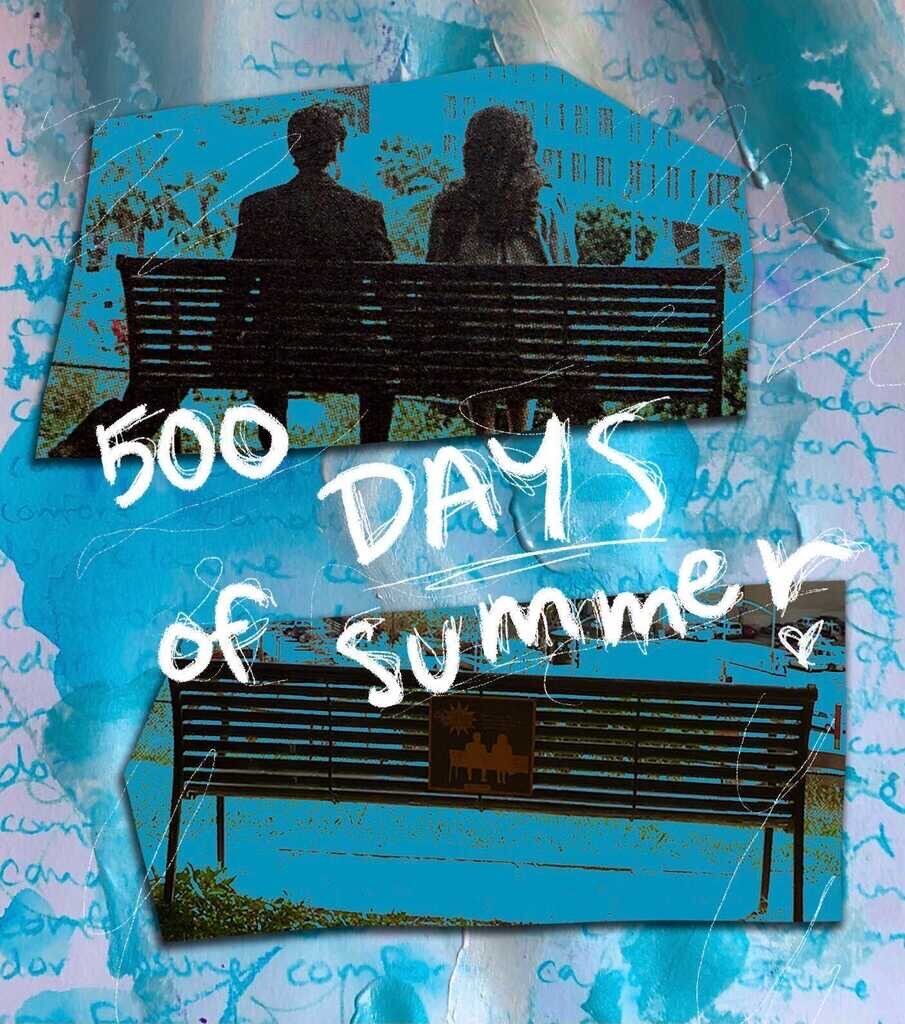
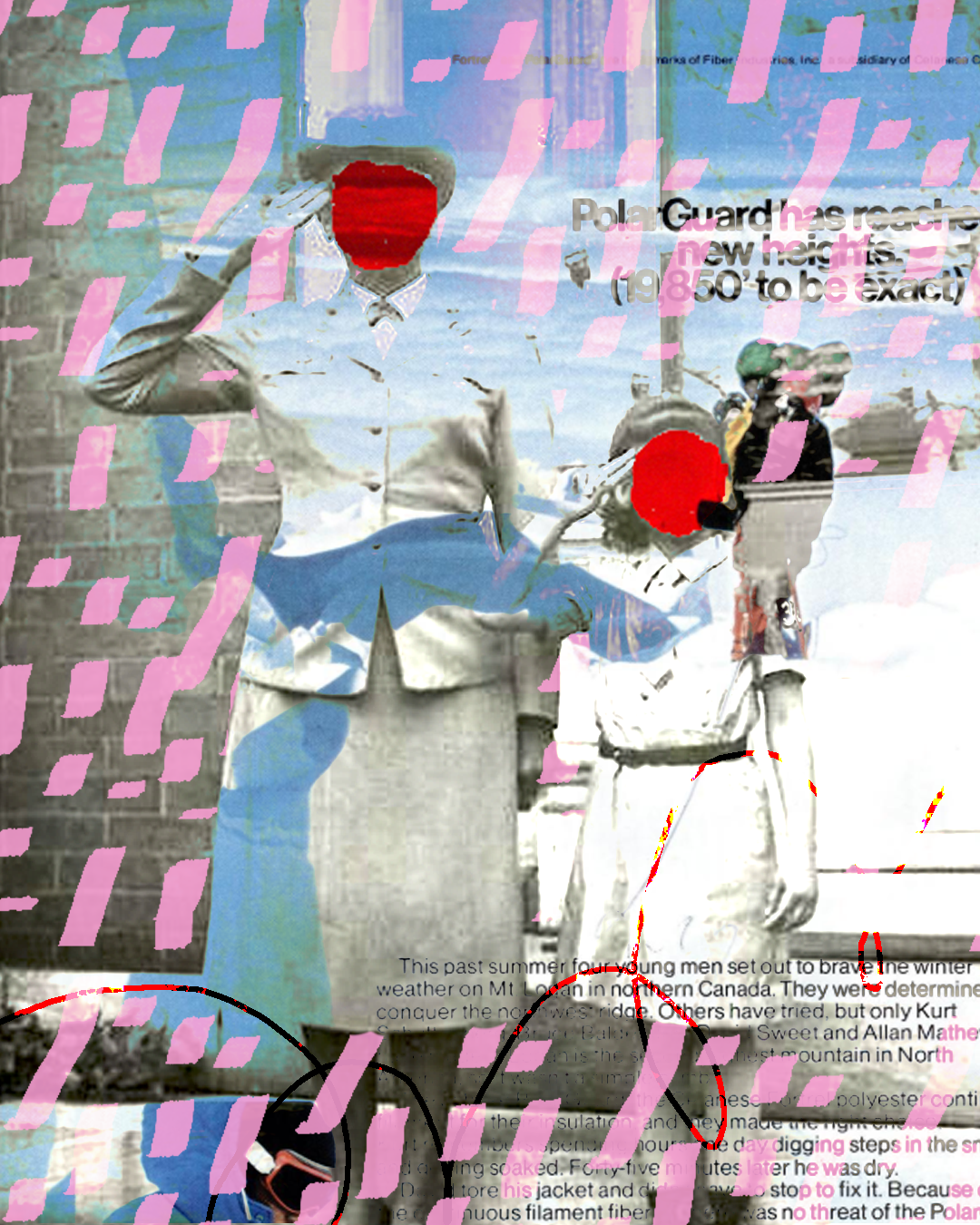

As much as everything scares me, as much as change and the lack of permanency sends chills down my spine, a part of me longs for what I don’t know yet. Isn’t it beautiful to have an entire life waiting for you with open arms? To know you can start over? The only thing that’s temporary about adulthood is the fact that I’m in it for as long as I live. I haven’t lived through my best days or met everyone I’ll ever love or seen every beautiful thing I’ll ever see, and to think adulthood will automatically rip that away from me is not to trust myself. It’s not naive to dream of better days.

By the time I went back to Istanbul, I was pretty disconnected from Turkish culture, partly because I simply hadn’t been there in so long, and partly because I wanted to be disconnected from it. However, I didn’t realize the gravity of this until I tried to give directions to a cab driver in Istanbul, and I must have had a pretty heavy accent because he asked me if I was a foreigner. The question hit me like a punch. Me, a foreigner? In the city that I grew up in? I admit I was quite offended at first, but it was just what I needed to start to evaluate the past few years and reconsider my relationship with my home country.

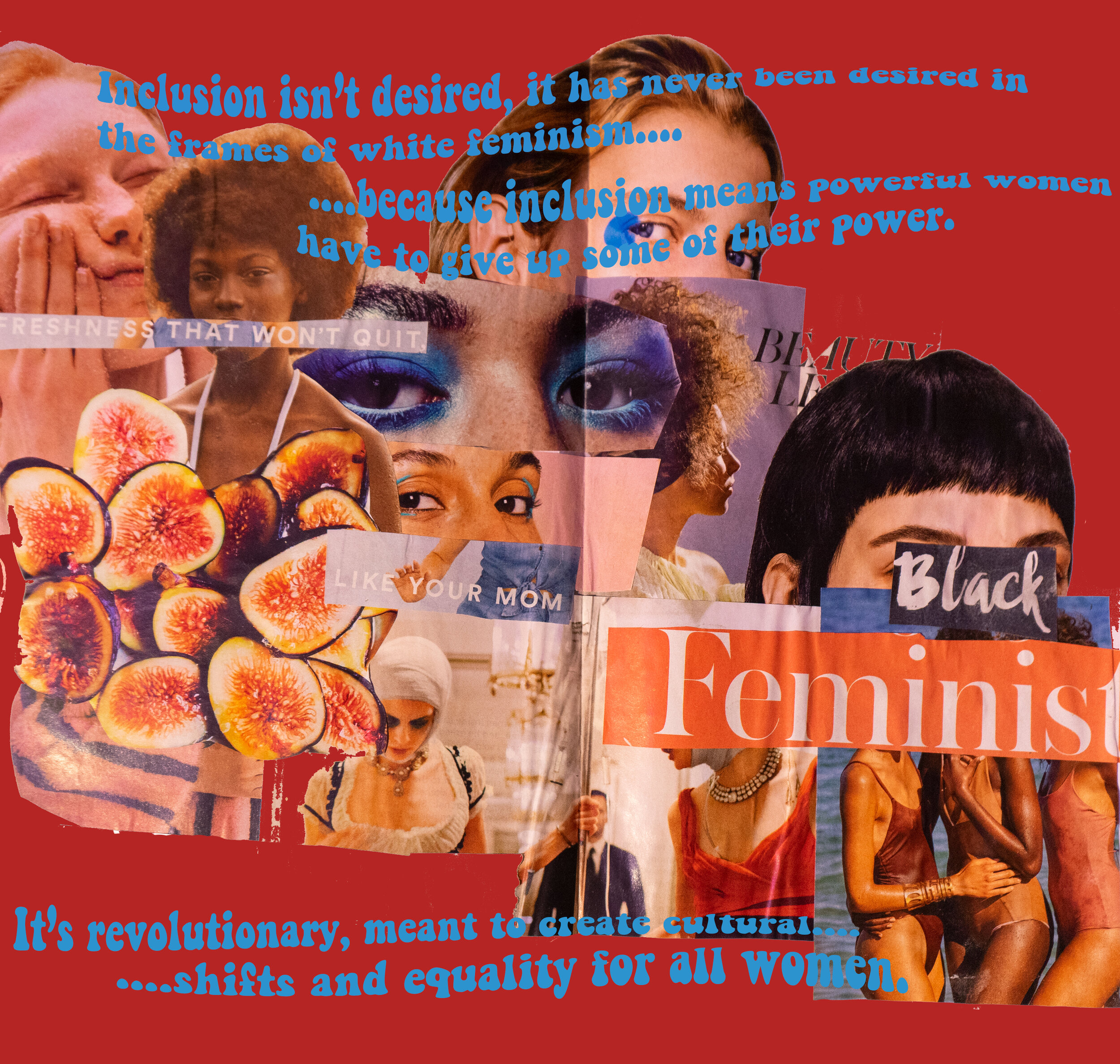
Feminism has been amplified; it has been morphed and it has been separated, perhaps more now than ever. The current situation is that feminism now has a monetary allure, it has been appropriated by brands to sell in the capitalist marketplace. Many of these body positive ‘quick fixes’ stand against many basic tenements of feminism advocated for by women of colour - an intersectional approach that prioritises community strength and creative uplift, standing in defiance to the exploitative capitalist marketplace.
I speak two languages but only one of them well. My Vietnamese is broken, and never mind that I get A-pluses in English, I get made fun of by my relatives for not being able to maintain the language I learned as a kid. It’s not that their teasing words hurt me, no, it’s the fact that when my grandfather hands me a slice of his cake, I can’t articulate the words to say that I am thankful for his affection and his efforts to make me happy.

This isn’t another tale of the ugly duckling because I was appreciated by my friends and classmates who I’m extremely thankful for. Even so, it should never be okay for a young teen to feel invalidated for not possessing supposedly idealistic qualities simply because of her heritage. Seems silly, but these insecurities made me cautious and skeptical towards guys I’m interested in even today and my first immediate thoughts usually tend to be: “do they even like brown skin girls”. When you grow up in an environment that overall put white girls on a higher platform, it can be difficult to attain a solid sense of self-love.

Hula is typically slower than Ori’, but still requires the same level of strength and stamina. Both tell stories and express emotions, but Hula tends to use more hand motions as a gesture towards pillars of nature such as the sun or a flower. Whenever I dance Hula outside barefoot on the grass, I feel connected to both the outer, natural world and my inner self. It brings me peace and offers a safe space to express myself.

Sometimes I feel like a fraud, actually I almost always feel like a fraud. Is it acceptable to partake in derogatory and dehumanizing jargon in order to protect my identity? Can I call myself an activist when my mouth feels sewn shut? Can I truly be queer when everything in my culture and tradition screams against it?

White liberals and so-called progressives tend to have this fantasy about women of colour, specifically Black women, that when they are in trouble, women of colour will save them all, even if it destroys us.

Writing with Fire is a documentary that highlights Khabar Lahariya, the only all-women news collective in India. They report on the problems in their society and attempt to make all the change they are collectively capable of. Living in a profoundly sexist caste system, these women take power for themselves, pointing fingers at their officials as they demand answers and solutions to greater problems for the sake of their communities. Now possessing over half a million subscribers on Youtube grown over the past five years of filming the doc, the group has taken to worldwide digital success in addition to that of their local print.

In the sole Indian film premiering in the World Cinematic Dramatic competition, Ajitpal Singh's Fire In The Mountains tells a story about the universal complexities of motherhood and the singular experiences of village life in India. Its many subplots, conflicts, and even the cinematography carry the greater theme of disparity between worlds.

Ailey's choreography somehow captures a uniquely black experience through his movements, angles, and lines that exist almost in a completely different world than that of how we usually perceive the world of dance.

One of the most highly anticipated films of Sundance, 'Passing,' deals with the unique experience of being mixed-race in America in the 1920s, but also holds a mirror up to how we view being mixed race now. Rebecca Hall's debut film (adapted from the novel of the same name) centres housewife Irene (Tessa Thompson), who, despite her ability to "pass" for white, has a Black husband and Black children and lives in Black America. This is an important distinction considering the social and mental segregation of the time. She deals with society's racial tensions finding its way into her own home despite her best efforts to protect her children from the harsh realities.
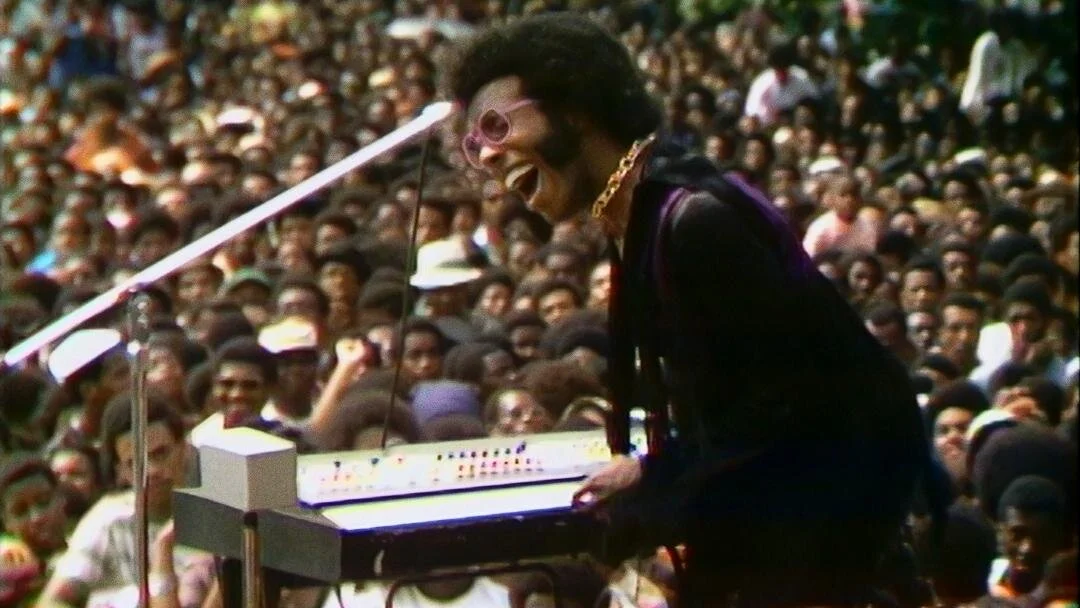
“If this rings a bell, it's because it's a bell that has echoed long past 1969. Whilst watching the Summer of Soul documentary and viewing footage of riots and protests, I was reminded of turning on my own TV during 2020’s summer and witnessing parallel scenes in the wake of George Floyd”

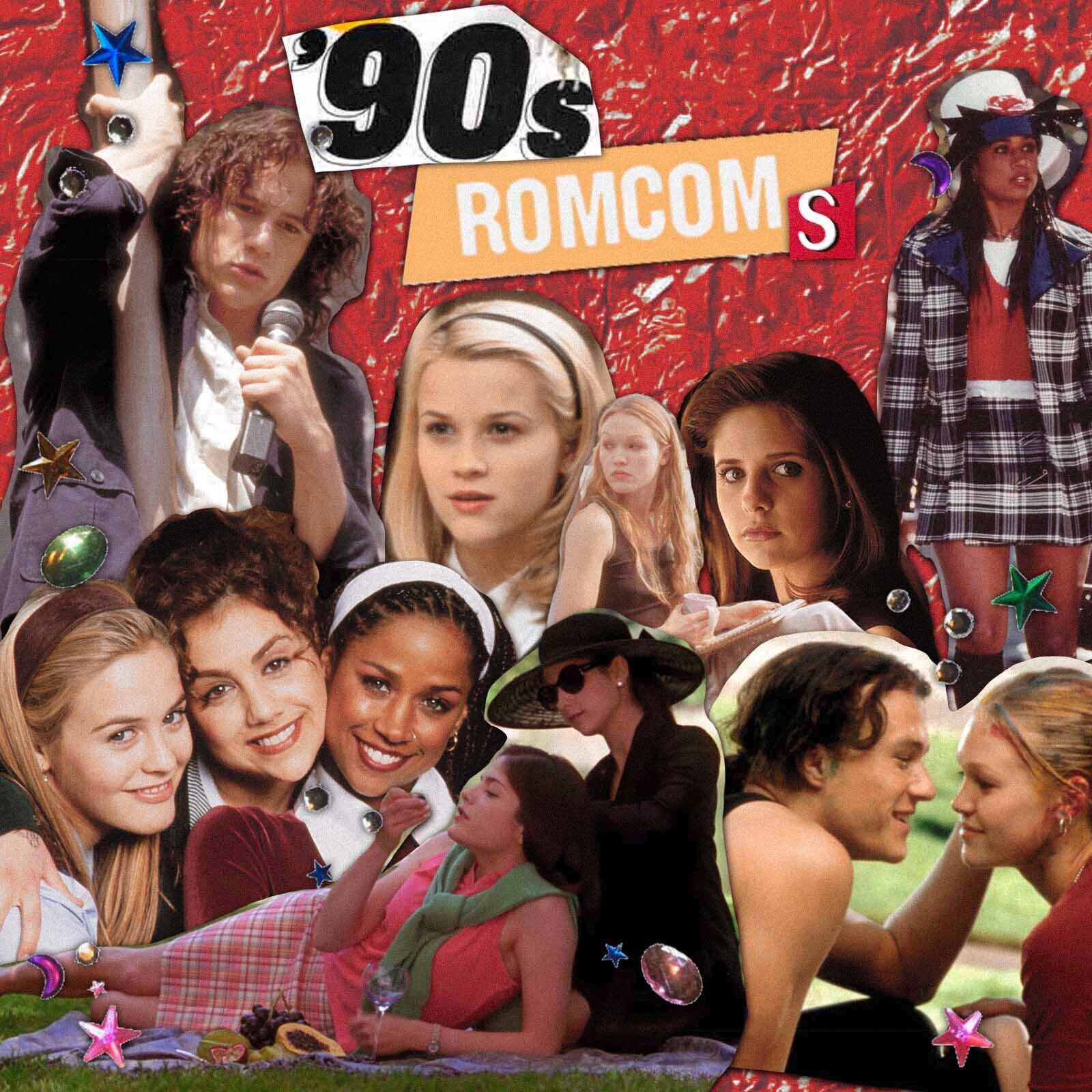
“You never wanted to be anyone’s ‘girlfriend’ and now you’re somebody’s wife,” Tom says bitterly, to which Summer tries to argue, “It just happened. I woke up one day and I knew.”
“Knew what?” Tom asks, exasperated.
Summer delivers the final blow: “What I was never sure of with you.”
I’d heard the dialogue so many times that I had practically memorized it and yet, each time, I found myself receiving it differently. When I was 13, my heart went out to Tom who promptly complained about how much it sucked to realize that “destiny, soulmates, [and] true love” was a sham. When I was 16, I respected Summer for her genuine repentance despite having little to no fault; she kept her frankness up to the very end, acknowledging Tom’s pain without granting him any sense of false hope.

My parents mystified love because they were so private in their own loving, and because of this romantic and intimate relationships were something I largely had to figure out on my own. Many parents have this attitude towards love, and this means that our concept of romantic relationships is largely moulded by movies, music and our peers. From an early age, we see Disney princesses being saved by love, warping our understanding. Suddenly we believe that everything will miraculously make sense in life when you find “the one.”

As a distributor, it's Netflix’s job to preserve and protect the filmmaker’s intentions and vision all the way up to launch. In this case, they should've taken particular care because while some might say ‘all press is good press’, for Black women, this is often not the case. This is particularly insidious when considering the historical process of Black girls being over-sexualised in the media and how this narrative has a rippled effect in reality.

I have a tendency, and I think it’s because I'm a dreamer (a daydreamer to put it more accurately), to listen to music and create movie soundtracks in my head, or think about what type of scene would fit this song. I even have a playlist on Spotify filled with songs I’d love to put in a TV show or film one day. So today I present to you a shortlist of songs that I’d like to put into a movie one day, inspired by Kaash Paige’s Teenage Fever.

Inspired by 60s vibes, crushes and burgers, Beatrix and Sarah make up FLTY BRGR GRL – a quirky, queer Oslo based duo here to bring you cute garage-pop songs about unrequited love or simply loving too much. Today, on the 24th of September FLTHY BRGR GRL’s debut album, Love You Forever, is out for the world to listen to and love. Ashamed had the pleasure of speaking with Beatrix and Sarah about their new record, representation in the indie world, loving too much, and the power of being messy women.

Nour Massoud sat down with some of Ashamed’s staff members and asked them about their shame.

On the other side of my screen is Halima Jibril, founder and creator of Ashamed Magazine, as well as Dawn Butler, Labour MP, first elected African-Caribbean female government minister in the UK and former Shadow Secretary of State for Women and Equalities. In an age of social distancing, face to face interviews are no longer a possible luxury, so instead, before each of us is a Zoom screen allowing us to begin a conversation navigating discourses from politics, Gil Scott Heron and BLM, to burnout, disenchantment and Labi Siffre.

I sat down with my friends Zamzam, Na’iamh and Kirsten after the murder of George Floyd to ask them how they are. They are all from different parts of the world; Zamzam from Sweden, Na’iamh from the United Kingdom and Kirsten from the United States. We discussed everything from the pandemic, the resurgence of the Black Lives Matter Movement, Pride, White supremacy, transphobia and the hypervisibility of being black and being a woman.

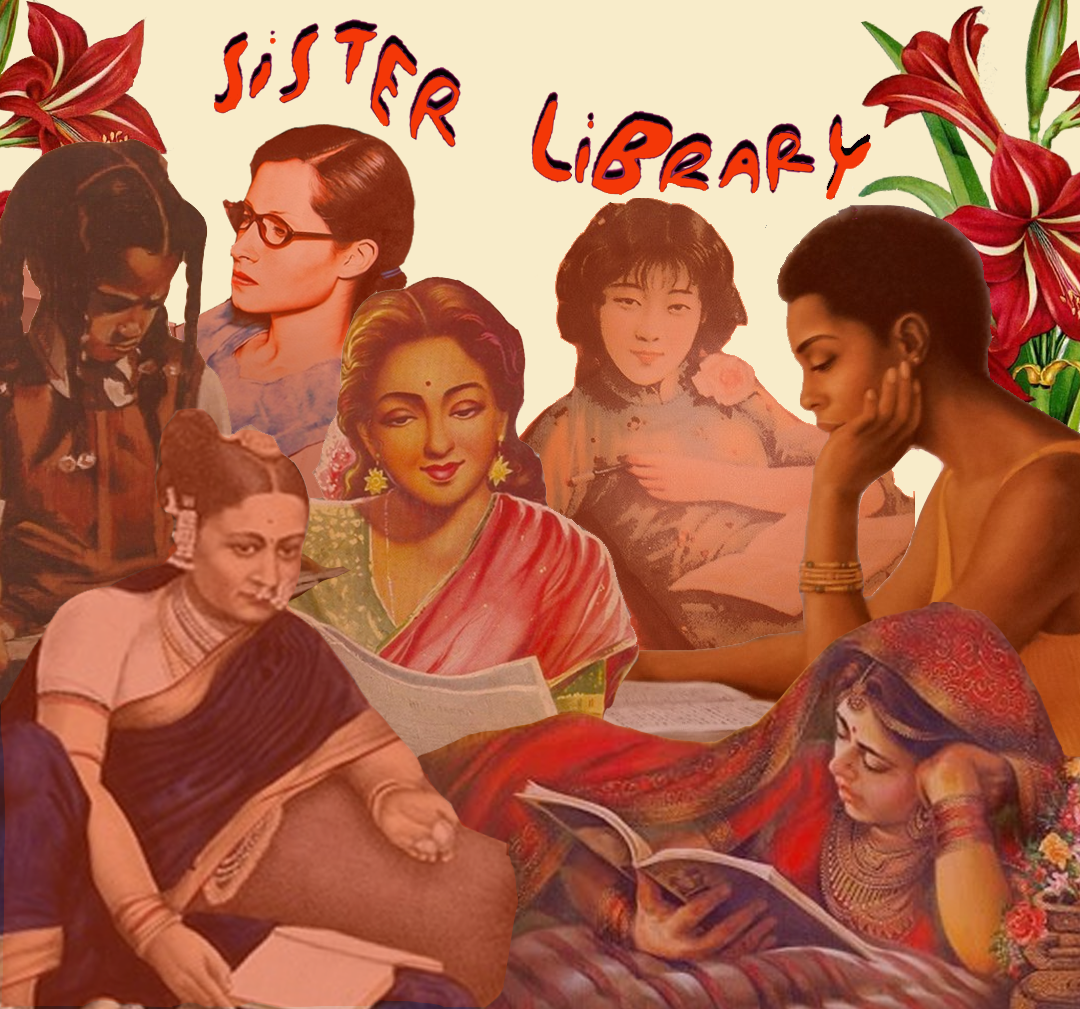
I came across Sister Library in the last few days of 2018 at the Kochi-Muziris Biennale, an art exhibition held every two years in south India. The Biennale is dedicated to celebrating local and international contemporary art through site-specific installations, traditional art and sound pieces amongst various other mediums. The exhibition sprawled across the city with each location housing different artworks, fitting into Anita Dube’s curatorial vision of ‘Possibilities for a Non-Alienated Life.’ Aqui Thami, artist/activist started Sister Library as a space to celebrate women’s art and literature. I recently had the opportunity to ask her about the space and her relationship with education as activism.
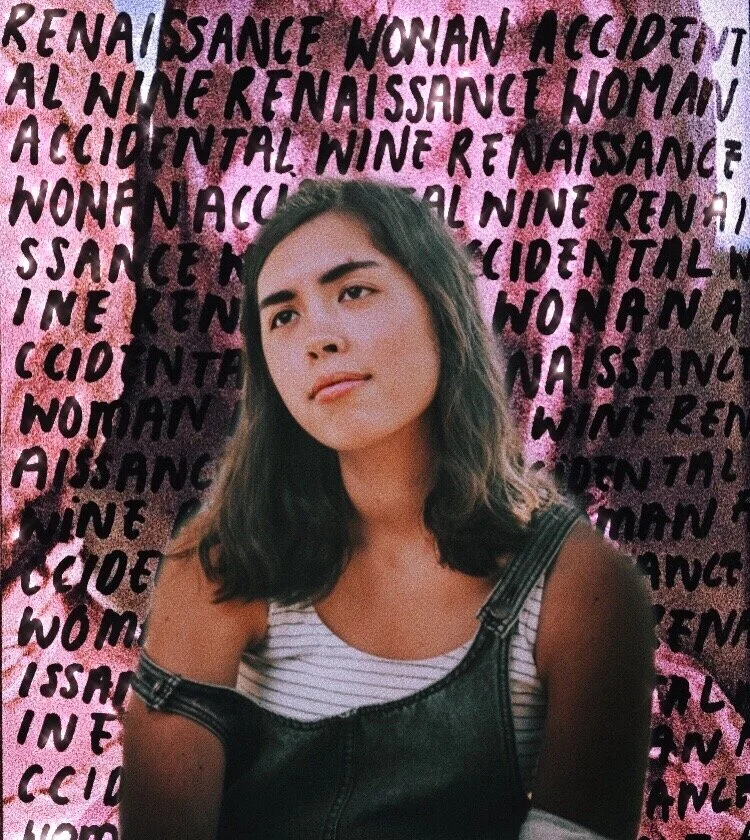
“When I moved from a small county in the south to Los Angeles for music/film school, I started acknowledging aspects of my identity I never did before. Growing up in Virginia, I never met another half-Asian girl. Not one. I didn't know what that was supposed to look like. But I've realized that I choose what that looks like. That looks like: a wrestler and MMA fighter, a pianist of 13 years, a film director, a writer, and a musical artist,” shares Natalie Christen aka Renaissance Woman. “Accidental Wine” is out NOW!

“My art is the only place where I feel like I can safely shout: “Look at me! I exist! I’m a Black and Brown woman! I exist and I matter!” - AR
From illustration, designing and modelling Amara Ramdhanny (@amara__davis) is a visionary in all fields! A Brooklyn based creative whose work is focused on women and non-binary people of colour, could never see themselves doing anything else but creating. Along with producing works of art, Amara had the opportunity to work with Nike this summer, designing a sneaker called “Isle of Spice,” inspired by their mother and their homeland. Amara’s art, be it on their face or on their dazzling Instagram is honest and passionate. A creative who I personally, can not wait to see blow up.
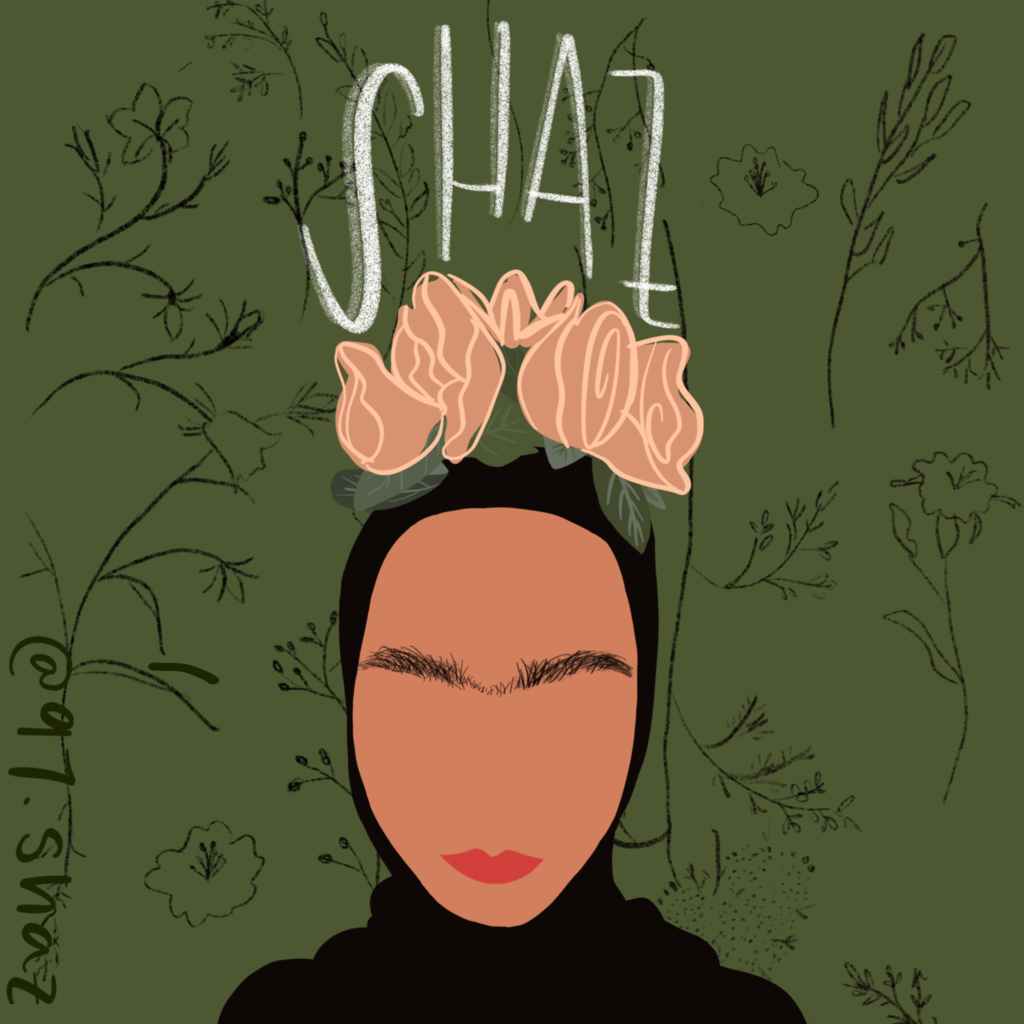
With 18.2k on Twitter and four thousand plus followers on Instagram, Shaz is a force to be reckoned with. If you’re looking for inspiration, look no further than her Instagram @97.shaz, for a feed filled with artistic shots, fashion galore and iconic makeup looks. As well as being a creative, she uses her platform to speak up and speak out about injustice, and, oh yeah, she’s starred in not one, but two of The 1975’s music video’s (Love It If We Made It & TOOTIMETOOTIMETOOTIME) no biggie though.
We want this zine to be an archival project. It is not a zine that just shows what we thought the 70s were like, but what it was honestly like for those who grew up in that era. Those who went to gigs in that era, prom, had crushes, wrote love letters and diary entries. We want to know the stories of our parents and our grandparents. We want to know their truth, their teenage hood and adulthood.